History of a City
The name "Tangub" originates from "tangkub," a local term for rice baskets made of rattan, which the Subanen people used. According to local lore, Spanish soldiers misunderstood a Subanen couple who, when asked about the place, answered with what they were carrying, "tangkub." This misunderstanding led to the naming of the place as Tangub.
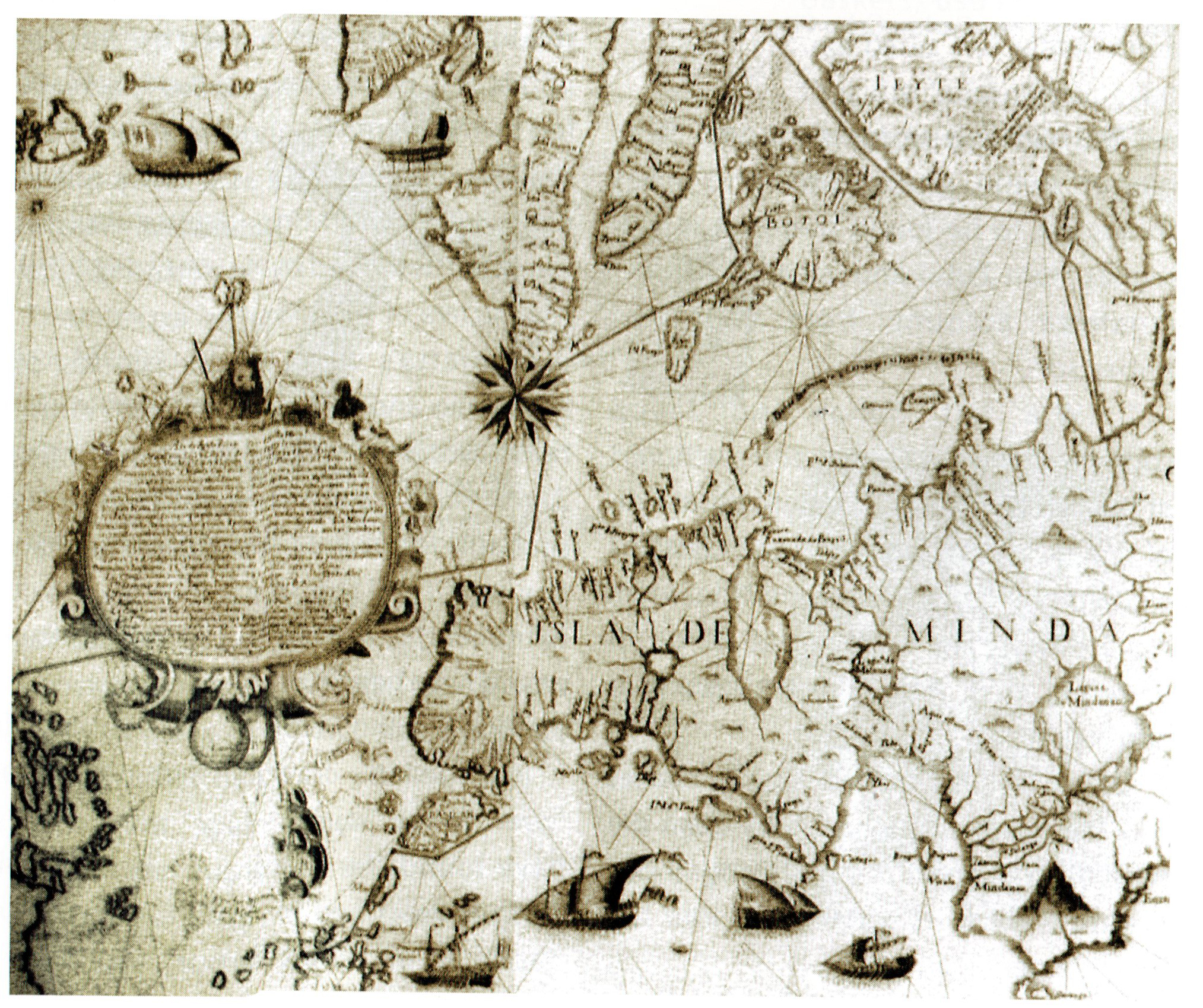
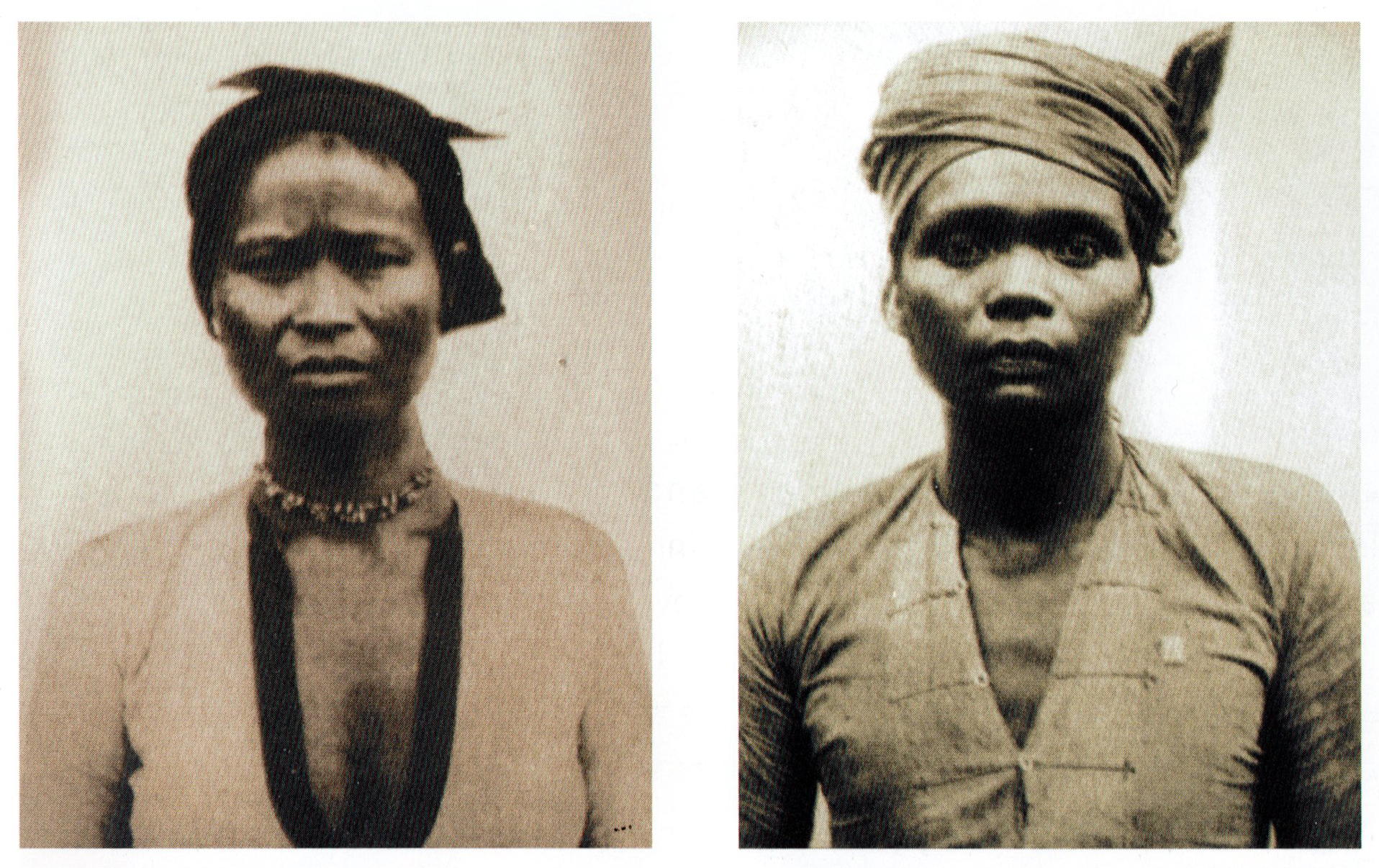
Tangub was formally established as a municipality in 1929 by Governor-General Dwight Davis. It later achieved cityhood under Republic Act No. 5131 on June 17, 1967. Over the years, it has transformed into a hub for culture, history, and tourism, with its rich heritage and beautiful landscapes.
Cityhood
On June 17, 1967, Tangub officially became a chartered city. Today, it serves as a vibrant community known for its historical significance, eco-tourism initiatives, and annual celebrations such as the Christmas Symbol Festival, drawing tourists from all over.
Geography
Strategically located near Zamboanga del Sur and Zamboanga del Norte provinces, Tangub is also close to Lanao del Norte across Panguil Bay. Its proximity to Maria Cristina Falls, a major hydroelectric power source in Mindanao, makes it an important landmark in the region.
Barangays
Tangub comprises 55 barangays, each contributing to its cultural diversity and community spirit. The city has become a harmonious blend of urban development and rural traditions.